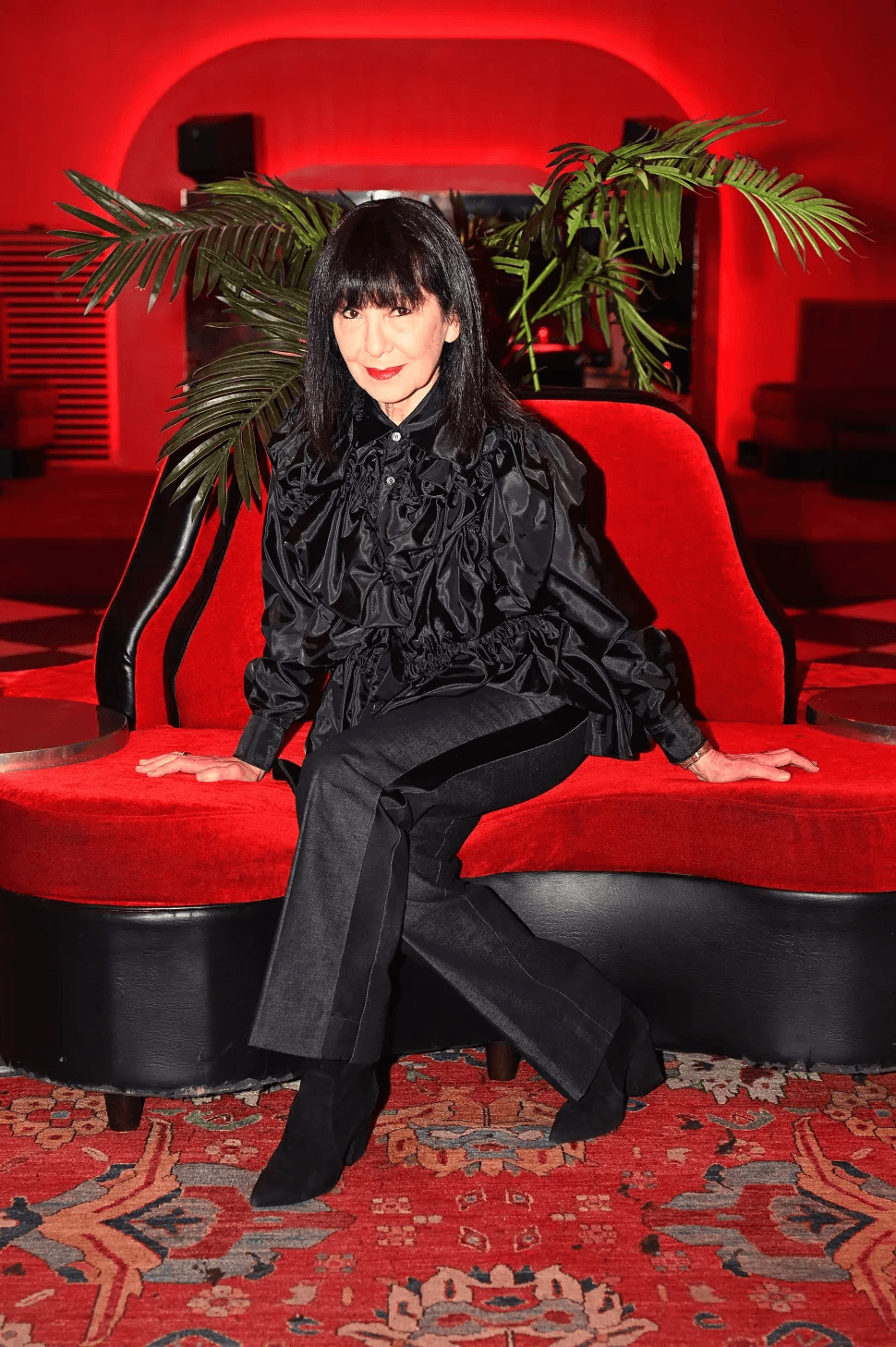
Twenty years into Performa, RoseLee Goldberg is still finding new ways to surprise us. Next up: an extravaganza with Chloe Wise and Miles Greenberg.
Published
Near the end of our call, RoseLee Goldberg asks if I can make two trips to the Upper East Side. “It is a trek. I get it,” she says. She does, but she also knows that some things are worth leaving your apartment for.
I know RoseLee, and I've always thought of her as one of those people who makes New York worth living in. She's also one of those people who makes art worth participating in. It's an invitation she extends to just about everyone, whether you're an artist, a collector, a critic, or someone who has no idea what performance art actually is. “It's not really selling anything to anyone,” she says. “It's introducing somebody new to something they won't see anywhere else.”
Of course, RoseLee has spent much of her life doing exactly that. The art historian and curator quite literally wrote the book on performance art in 1979, and in 2004 founded Performa, the New York-based organization that has since made an art form of bringing impossible-seeming ideas to life. More than two decades later, she's still finding new ways to get people into a room.
The two trips in question concern a pair of Canadian artists, Miles Greenberg and Chloe Wise, and an unlikely venue: the former 86th Street Cinema. On October 29, Greenberg presented WAR, a six-hour durational performance featuring more than forty performers walking on treadmills to an original score by Chino Amobi. The second occasion, on November 12, is Performa's Benefit Extravaganza, co-hosted by Greenberg and Wise, featuring a special screening of Wise's new film, PsyFi. Drawing on science fiction, religious iconography, and late-20th-century cinema and television, the film plays with the relationship between storytelling, imagery, and culture, blurring the line between cinema and performance.
It's a fitting way to celebrate twenty years of Performa: two artists whose practices have been shaped by the organization, a historic movie theater given a new purpose, and an evening dedicated to making more of this work possible. Proceeds from the benefit will support Performa's next chapter of programming and commissions. Tickets for the November 12 event are available here.
Gutes: If you had to explain what makes performance, and Performa, so interesting to someone who has no idea about performance art, how would you make it compelling to them?
RoseLee: I usually have to sit them down for at least half an hour and tell them the story.
The interesting thing at this point is that it's even easier because performance interfaces so directly with audiences. It really is up close and personal.
We know how little time people spend looking at a piece of art in a museum. I think it's less than three seconds. And the way we do work, we're very conscious of time. We're creating performance works with artists, and there's this idea that you can spend time with the artists and actually get a feel for their work.
I don't want to use that word everyone's using, "experiential," but you're inside the work in so many ways.
A very beautiful early piece we did was with Isaac Julien. He took some preexisting video works and some new work made especially for the piece. To be able to close the doors at BAM and let the audience just drink in everything his work is about, from image to storytelling to the way he uses sound, was extraordinary. You don't even realize all of that when you're running past a video installation in a gallery.
Does that explain it to anyone who doesn't know? I hope so. Not really, but...
If not, they're not getting it.
I think the personal aspect, and having this very different way of reading how an artist thinks, and having that close-up experience, is very special.
And it will be more so as the world just becomes another screen. It might be the only place where you can actually insist that people come out and face the music.
Sometimes literally the music. How are things with Performa right now?
Really good. This year is different from all other years. It's technically our off year for the biennial, so we're busy preparing for next year's, in 2027. But then this double feature presented itself to us. I think it was the same weekend that Chloe called and talked about her film, and Zoe Lukov, who's the curator of Miles's piece, called. Suddenly, it all came together with the space on 86th Street. It was irresistible, so we said, "Let's go."
It's a very different tempo for us. Everything happened very fast, as opposed to working with an artist for a year and a half or two years on a commission. But I think it's going to be very interesting to spread our wings and reach different audiences. Suddenly, we're all going to be up on the Upper East Side, which is really fun.
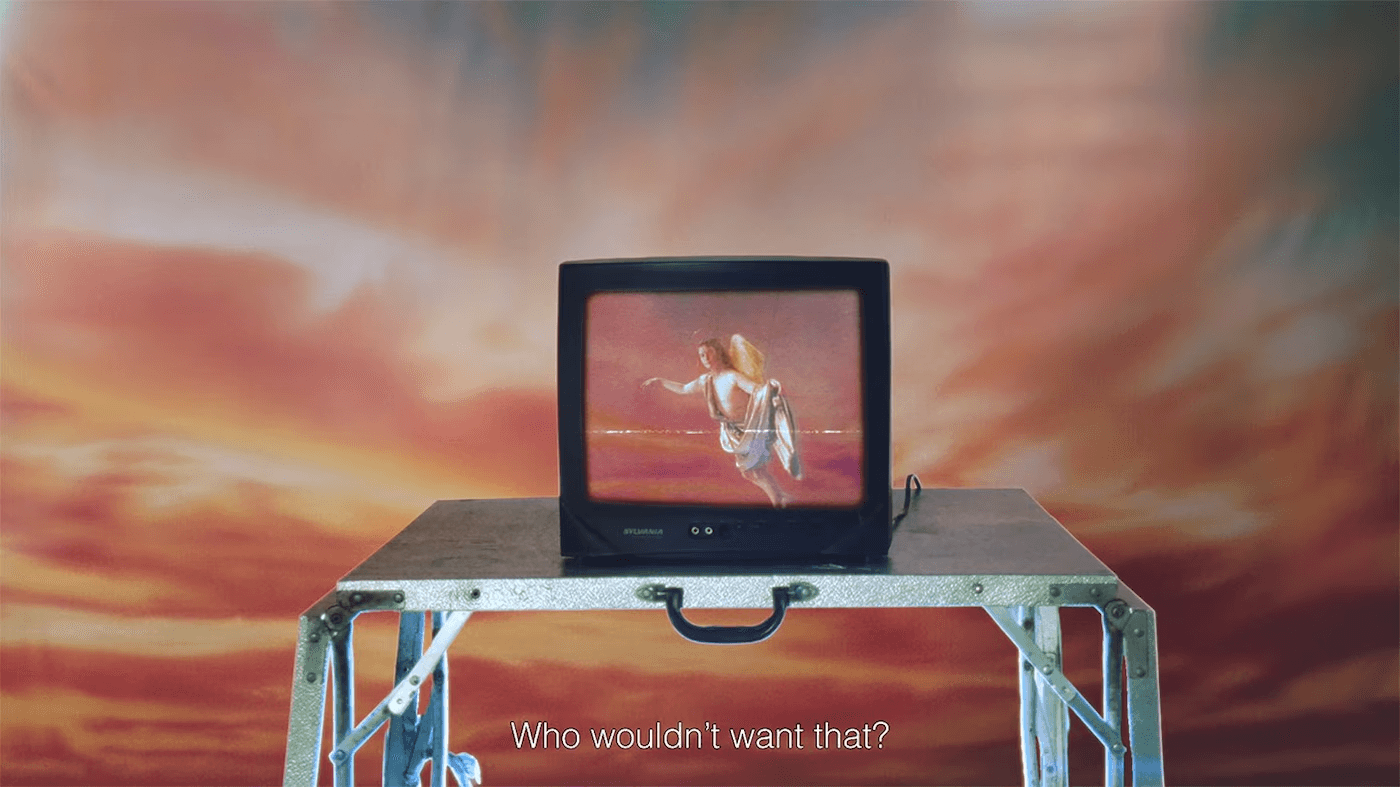
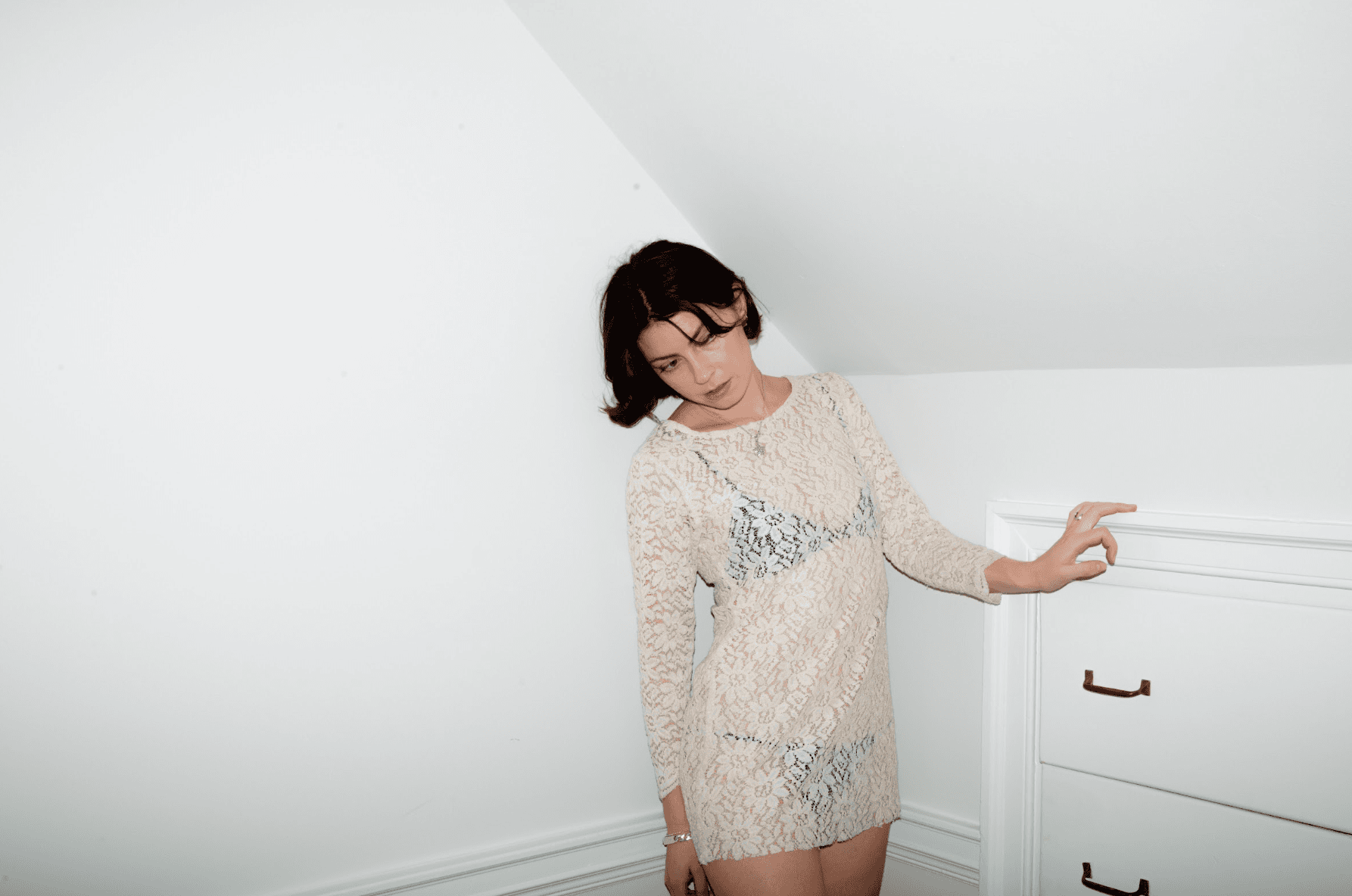
Still from film PsyFi* (2026) by Chloe Wise
What was the fast-paced process like? Did you learn anything different from operating on that kind of insane timeline?
It's an interesting way to come out very fast with what I'm thinking, and to make quick decisions where I think I can be helpful. Obviously, both artists have already been thinking about these pieces for a while, and I know them both from different points of view.
Chloe has always been part of the Performa family. She's loved Performa forever. She did a beautiful pajama party at her house and studio in 2017, and when we had a telethon during COVID, she made a video for us.
And then, of course, they both happen to be Canadian. I don't know how that happened. But we like Canadians!
At Performa, we're always looking for new spaces that somehow surprise all of us, and ways we can work with them differently. We're getting wonderful responses. There are so many different audiences in New York City. It always amazes me how these very different communities make up the city, and I feel we're reaching out in a different way.
Talk to me about these two specific pieces and how you see them relating to the history of Performa.
They're stepping out into a different realm, but clearly both artists have followed Performa. They've both expressed how, as they've been coming up through the years, they've watched what we've been doing.
I think Performa creates a kind of energy and a way of looking at visual art and performance that pushes artists to take their ideas even further than they might on their own. There's a lot of conversation, and I think both artists enjoy that.
There's a pleasure that I find both Chloe and Miles seem to take in being able to talk about so many issues around performance and to have the sounding board that we provide.
Over twenty years, Performa has also become a really strong producer of artists' work. We push this idea of—I don't want to use the word "hybrid," because it feels like a motor car—but the curator-producer. A curator who understands what it takes to produce, and a producer who understands what it means to curate.
We've really built a school of interesting producers. Doing these fast-paced presentations also shows the abilities of the producers we've trained, or who've gone through biennials with us and know what madness it entails to get these things up and running smoothly.
You flex your muscles. You get stronger every time you do the next project. It's very different. It's fun.
Accompanying this is also a benefit, right? Like a gala, maybe not a gala, but a benefit. What can people expect?
Expect the unexpected, as usual.
In the past, when I was really trying to push people to understand the history, I used to say, "With every bite, a bit of history." So we did all these major galas, one about Surrealism, one about Futurism, and so on.
I think we feel that people are tiring of galas, or maybe we don't want the whole heavy lifting of what it takes to do a major gala.
I like this idea of artists for artists, because everything that we raise really goes back into the next projects that we do. It seems to me really generous of both Chloe and Miles to host and bring their friends to play, and to help us raise funds for next year, for the next series of commissions, and for the curators that we support.
It's about always looking for new ways to do things rather than coming up with the same old gala formula.
I think it's time to revamp the gala.
It would be a lot easier to do it the old way!
What sort of spirit are you bringing into this next decade, and what do you want to accomplish?
Long term, I feel that Performa started with something very important. I won't get too art historical here, but it was really important to let the world know that performance has always been part of art and culture, and certainly part of the artist's life.
As you know, I wrote that book in 1979. One of the reasons to start Performa was that people still didn't know this history. And that's why we keep going.
Performa must keep going because we have these incredible archives, and everybody on board here. Everybody who passes through the room is drenched in history, or I make sure they are, and that they understand all these different elements from so many different points of view.
The dream is to keep building on what we've produced up to now.
And we keep going with our friends. It's never a good time for raising money, but we're so sure that what we do has relevance that we keep going.
Is there anything else you'd like people to know?
I love this idea of people seeing something they've never seen before. Hopefully, they're inspired. I love that idea of, "Wow, I had never thought about that."
I have people tell me they will never forget what they saw. I feel that's my Good Housekeeping Seal of Approval. You won't forget the event.
I'm very, very conscious of communicating. Communicating is everything, and making sure the work is accessible at the highest level of conversation and thinking about art and history.
Access is really critical, whether you're fourteen or at whatever stage of life you're in.
I'm still a great believer that live performance conveys an immediacy and a humanity that just doesn't come across in the same way if you're standing in a gallery and don't know where to go next.
It gives you a lot. It stays with you.