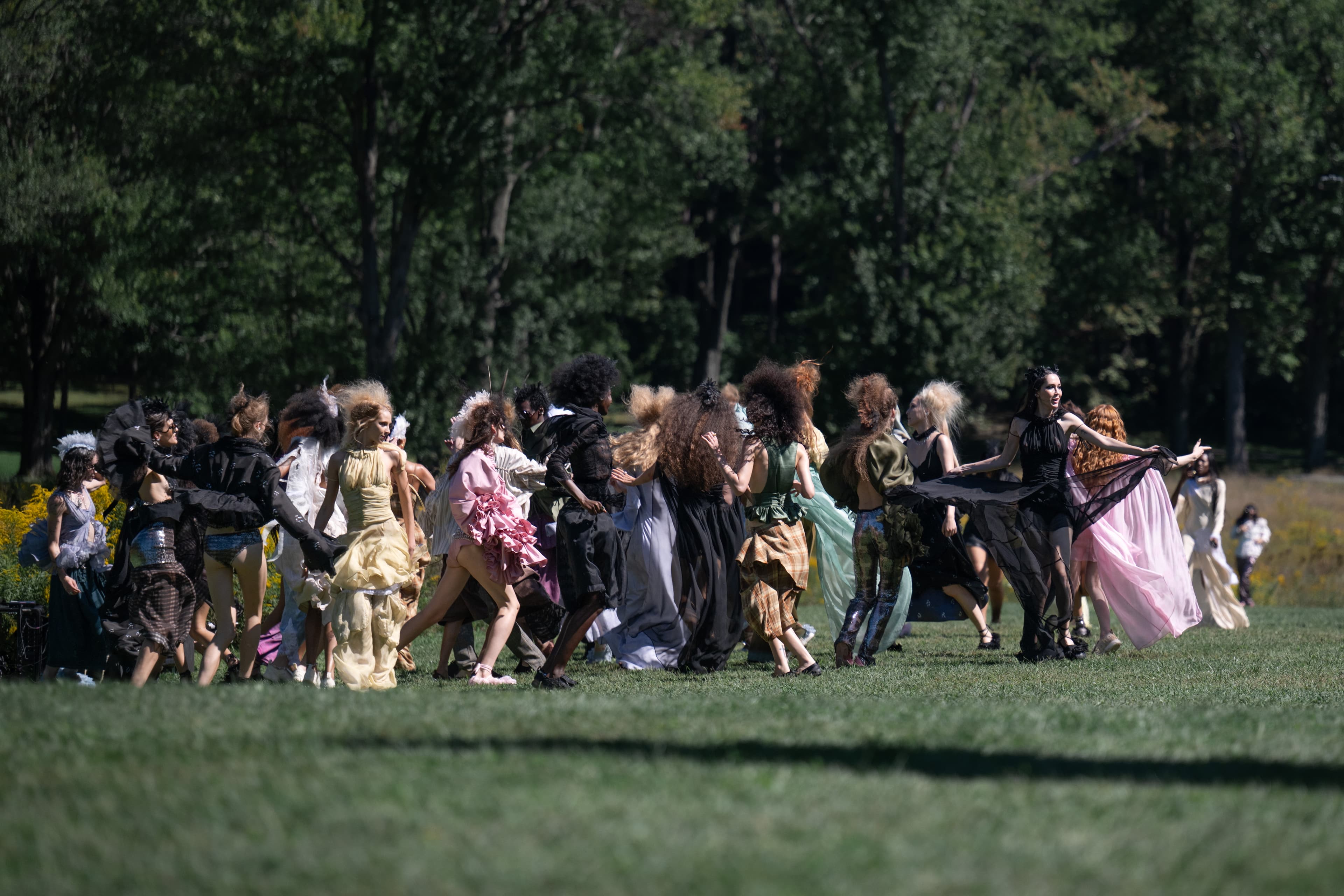
On her new album, the singer uses myth to reckon with her experience of romance.
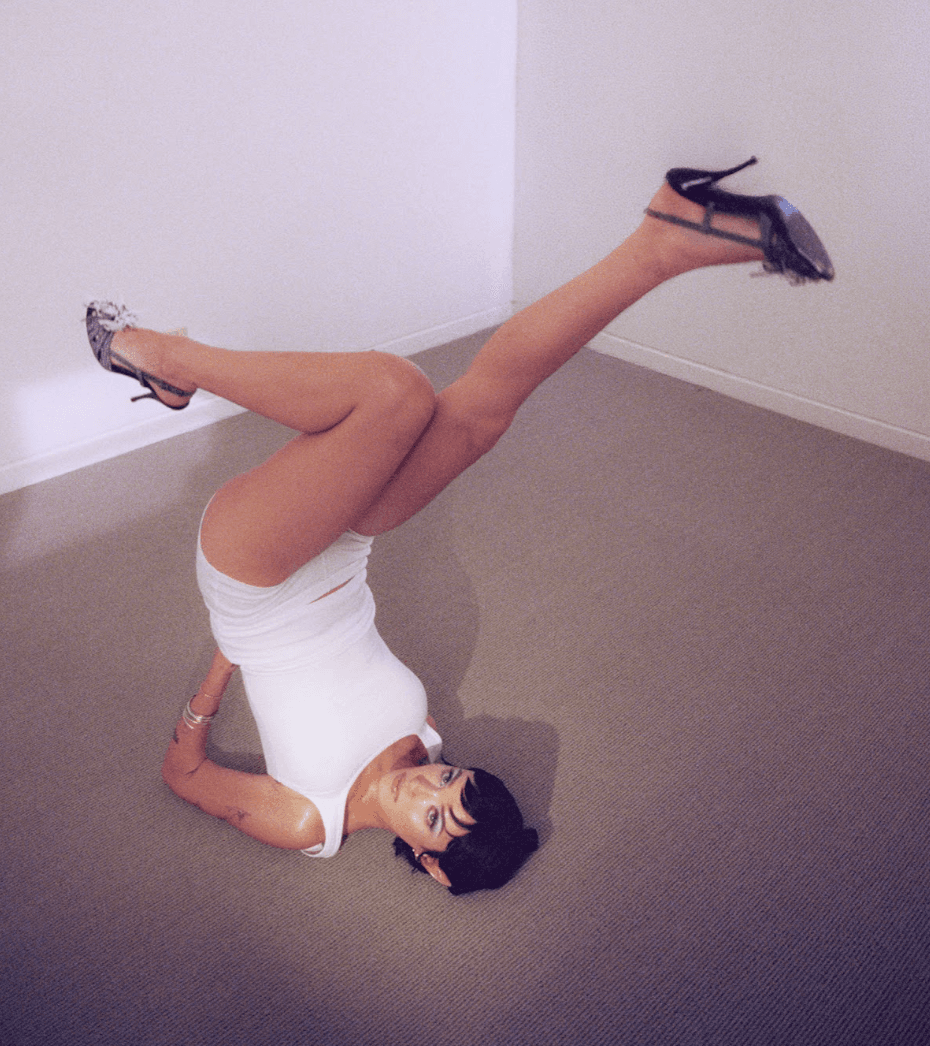
Published
Olivia O’Brien called me from her hotel room in Boston, in the middle of touring as the opening act for Benson Boone. TikTok clips of the tour have shown me glimpses of what her nights look like—wearing a shiny pair of ornate headphones, she’s been singing “hate u love u” and “Josslyn” to arenas for the first time since their respective breakthroughs, and debuting brand new songs from her latest record, Pixie.
Pixie is a robust record of 15 tracks that each play with the boundaries of pop and ponder the phenomena of projection. In her first complete album since 2019, Olivia, who rose to prominence for her songwriting as a teenager, confronts the blurriness: What does it mean when we fantasize about someone else? What does it mean when they do the same to us? Projections can be a fairy dusting of likeability that we sprinkle onto others to justify our attachment to them—or a restrictive lacquer that strangers paint onto us, that we often only notice once the veneer dries on our skin and starts to sting. But in any case, they are a microcosm of the quintessentially human tradition of myth and faith.
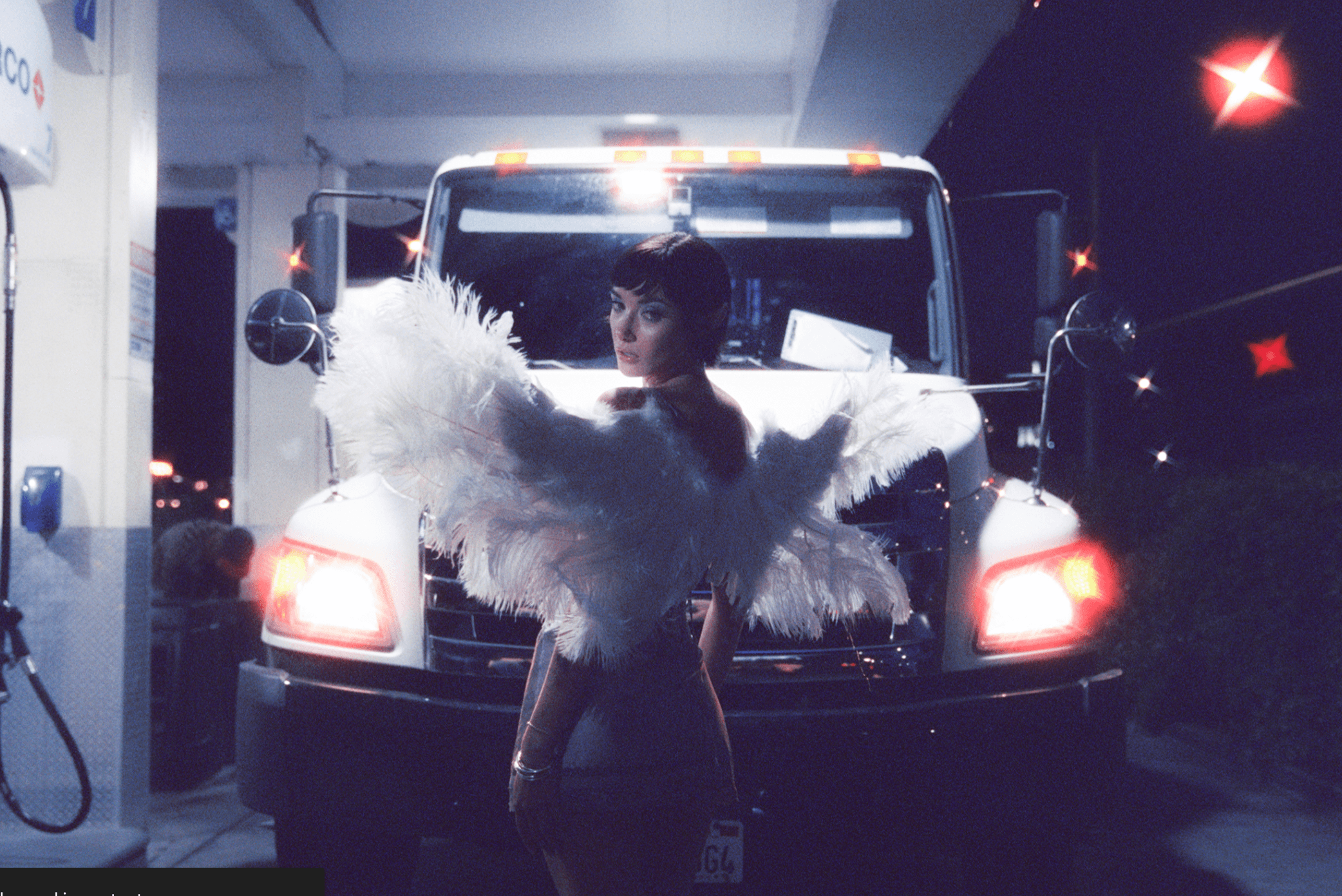
Kelsey Ferrell: What came first, the album title or the haircut?
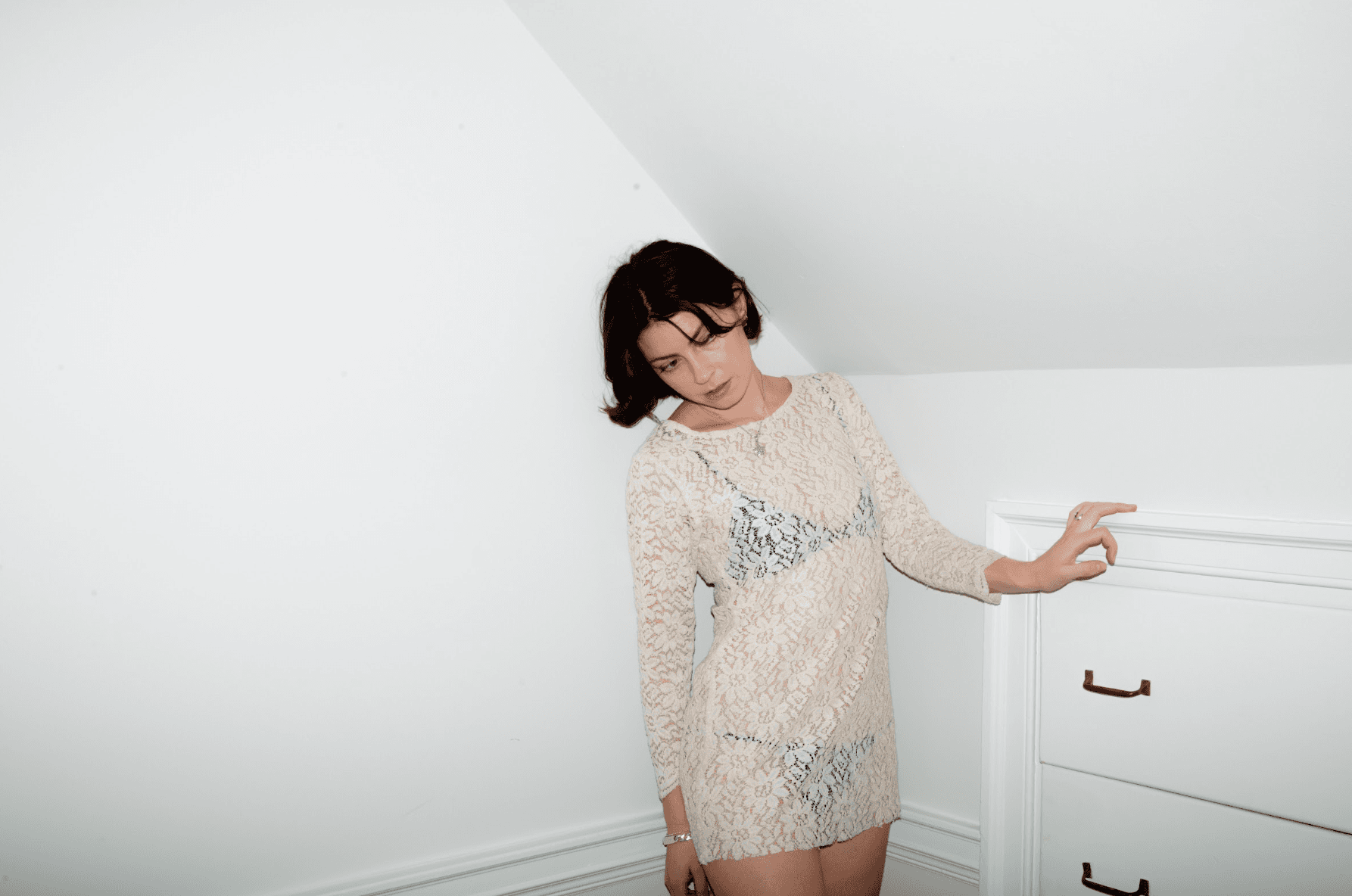
Olivia O’Brien: The album title, but the haircut came to me in a dream. It was weird. I’d been growing my hair out since, like, 2017. It was past my boobs. It was so healthy. I stopped bleaching it. I was like, I'm never cutting my hair. Then I had a dream that I got this haircut, and when I woke up and I was like, I have to do it. My friends were like, “'Did you get that haircut for your album?” and I was like, “No, but, that makes a lot of sense.”
KF: Speaking of divine messaging, there’s an exploration of myth and fantasy in this album that’s really interesting and comes out the most in tracks like “Icarus,” “Imaginary,” and “Heaven,” and obviously is reflected in the album title, Pixie. You seem to center the human impulse, across centuries, to create stories. Why do you think we do this?
OO: I used to call myself an amateur philosopher, kind of as a joke, but also kind of seriously. When I went back to community college for a little bit after getting my GED a couple years ago, I was studying philosophy. I would always say, “So I have this theory.” I call it the fantasy-to-celebrity theory: when you're a little kid, you believe in fairies and mermaids and Santa and all of these things, all these tales, this folklore, whatever it may be. It gives you this feeling that there's something greater than yourself out there—there's something magical that you can try to find. And then, as you get older, you start to realize, okay, well, maybe those things aren't real, somebody somewhere made it up. When you get to your teenage years, you start to become obsessed with celebrities. They become the new fantasy and you think, “Oh my god, these people are it.” It's something to attain. It's almost like they're the new fairies, they're the new magical beings, right? They don't seem human. Their lives seem so amazing and special. They’re something greater than us or something above us.
Most people, I think, grow out of that. Some people don't. Some people kind of live their lives thinking celebrities are kind of something greater, but everyone is just human. Nobody is greater than anyone. I think the final level of that, which could exist throughout the entire journey, is people turning to religion. I think that it helps us strive for something. When people are super religious, they feel part of something bigger. That makes life more palatable.
KF: Let’s dive into the songwriting, starting with track one. There’s a line in “Dream Girl” that goes, “If you don't want me writing about you, then maybe don't treat me so bad.” This sentiment comes up a lot from female songwriters, in these heteronormative dynamics. Why do guys who pursue female songwriters never seem to learn this?
OO: It's complicated. I’ve had people be wrongly honored that I've written songs about them. The person that I wrote “Josslyn” about was so happy every time I wrote a song about him, even if it was the meanest song you've ever heard in your life. I think that the male ego is impenetrable at times—at least for the menI seem to gravitate towards. They find it flattering as long as you're the one that's saying you're sad. It'll stroke their ego that you're writing about them, but then you say one little thing they don’t like and they get upset. But it's like—the thing that attracted you to me in the first place was the fact that I'm a writer and an artist, that I'm this interesting girl and I've accomplished these things. Female songwriters always get flack for talking about relationships and love and romantic love, but men write about romantic love just as much as women do. Taylor Swift was like the OG in getting so much hate for that. Why are we pretending that romantic love is not an integral part of the human experience for men and women?
KF: My favorite track on Pixie is “Goodman.” I think you damaged the male ego in that one. I was delightfully surprised by the blues influence in it. Did anything in particular, an outside influence or specific experience, prompt you to bring that genre forward in this song?
OO: “Goodman” is a song that I did with my guitar player who’s been in my band for my entire career. I've worked with him since I was 16. We finally got into a session together, just me and him, and he started playing this guitar riff, and I was like, Whoa, this is awesome. I had this concept for a while,about the title “Goodman” as one word—I’d been hanging out with another friend, Gabe Goodman, who’s amazing. And on my drive home, I was just thinking…how does one get that last name? Is it like how people used to be named after their professions, like Baker? Was someone in his family a long time ago just a really awesome guy? Which spiraled into me considering that phrase that people like to use to see a guy as better than he is: “He’s a good man. He would never do that.” One of the lyrics is, “it's not not black and white, it’s black and blue.” As in, there’s a gray area where it doesn't really matter if someone gets hurt. So when Connor played that guitar, it was just haunting enough to make people understand the context of the words I'm saying.
KF: Oh yeah, it definitely gave me chills, you know? I could so see that one in a movie.
OO: Oh I would love for it to be in some unsettling psychological thriller about a woman who kills her abusive husband and drives away with blood on her face. It would be perfect.
KF: What's your biggest non-musical musical influence?
OO: I really do write about my own life and experiences. Pixie really is kind of from my obsession with fantasy creatures. I love everything fantasy. I think there’s an overarching theme of the Manic Pixie Dream Girl trope, and I wanted to reclaim that. I used to think she was like the hot, interesting girl in the movies. But, then I learned what that trope actually means—she’s this one-dimensional character that's just kind of there to help the usually-male lead. To him, she has no real backstory, she’s just this so-called interesting, quirky, weird woman. I just really related to that concept. I feel like I've been Manic-Pixie-Dream-Girled many, many times. “Oh, Olivia's so interesting and cool and weird.” And then they meet me and get to know me and they're like, “Oh. She's a real person. I don't like that.”
KF: If someone could hear this album and only remember one lyric from the whole spectrum of words you’ve written on Pixie, which one would you want people to carry forward with them?
OO: It would be from “Heaven”: “Would you rather live forever or let this just be enough?” My friend once asked me, “Would you rather live forever or die and there's just nothing?” And I was like, um, neither. Both of those sound horrible.
KF: Secret third thing!
OO: Yeah, secret third thing, please. Because if it’s either live forever or you die and it's nothingness, I think that's the scariest thing in the world. I have severe death anxiety. But I think it is important to believe you can just let this life, the time we have, be enough. Because it's the only thing that we're really 100% guaranteed.